Reviewed by Gary E. Wilson, President & Designated Broker · Managing Greater Seattle rentals since 1982
A marina is a commercial property that happens to sit on water, and almost every difficulty in operating one comes from that second half. The tenancy is moorage rather than occupancy. The improvements are docks, piles, and utilities exposed to saltwater and weather year round. The regulatory surface includes environmental permitting that has no equivalent in a shopping center or an office building. And the customer relationship is unusually long — boaters stay for years and know each other, which makes waitlist fairness and even-handed rules enforcement matter more than in most asset classes.
Wilson Management, Inc. manages marina and moorage facilities in the Puget Sound region. We bring more than 40 years of Washington commercial property operations — since 1982 — to an asset that needs disciplined revenue management, planned capital maintenance, and careful environmental compliance in equal measure.

Marina Facilities We Manage
Permanent Moorage Marinas
The core of the business: annual and monthly slip tenancies by length, with a waitlist for the sizes in demand. Revenue management here is a matter of rate by slip length and configuration, utilization of the awkward sizes, and a waitlist administered transparently enough that nobody believes it is being jumped.
Guest and Transient Moorage
Nightly and short-stay moorage is seasonal, reservation-driven, and operationally different from annual tenancy. It fills otherwise idle capacity and brings its own requirements around check-in, utilities, and turnover.
Covered Moorage
Covered slips command premium rates in the Pacific Northwest and bring structural obligations — roof systems over water, with inspection and capital planning requirements that open moorage does not have.
Dry Storage and Boatyard Facilities
Upland dry storage, haul-out, and repair operations change the environmental compliance picture substantially. Where a facility performs vessel maintenance, the discharge from that work is regulated — see below.
Liveaboard Moorage
Liveaboard tenancies bring sewage handling, utility load, refuse, parking, and mail into the operating picture, and they are typically capped by the facility's own permits or by local requirements. Policy needs to be written, applied consistently, and aligned with whatever the facility is actually permitted to allow.
Marinas Within a Mixed-Use Property
Waterfront property frequently combines moorage with commercial or retail space. We manage the full range of commercial property types — see Commercial Property Management and Retail.
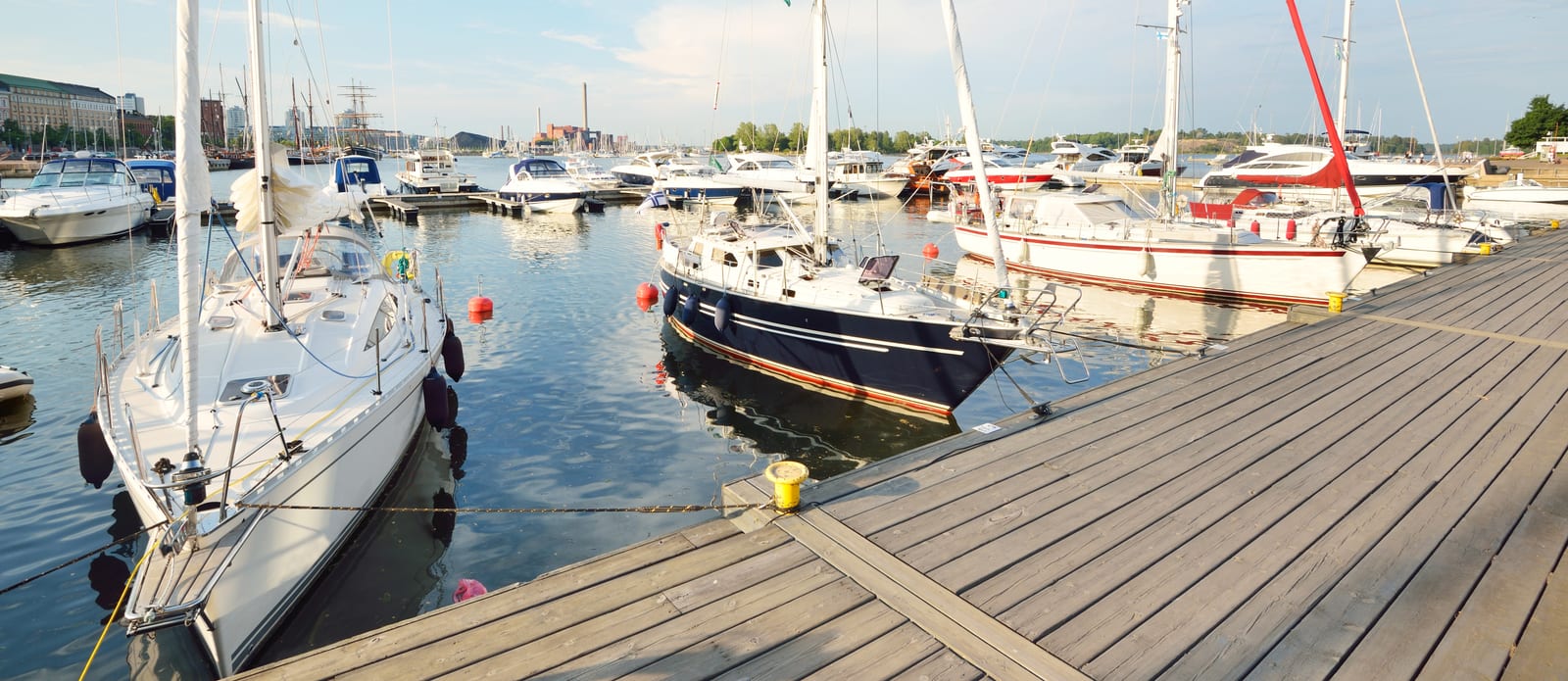
Our Marina Management Services
- Slip leasing and waitlist administration: Moorage agreements by slip size, renewals, and a documented waitlist. Waitlist transparency is a genuine operational asset in a facility where tenants talk to each other.
- Rate and revenue management: Rates set by slip length, configuration, and demand, reviewed on a schedule. Utilization of hard-to-fill sizes is usually where the recoverable revenue sits.
- Guest moorage and seasonal operations: Reservation handling and seasonal staffing patterns for transient moorage.
- Dock, pile, and float maintenance: Decking, fasteners, cleats, bull rails, fingers, piles, and float systems inspected and maintained on a schedule. Marine structures deteriorate on a predictable curve, and the entire discipline is replacing components before failure rather than after.
- Utility systems: Dock power pedestals, potable water, lighting, and fire equipment. Shore power in a saltwater environment is a life-safety system, and it is maintained as one.
- Environmental compliance administration: Permit conditions, best management practices, spill response readiness, and the record-keeping those obligations carry.
- Capital planning: Dock and pile replacement, dredging cycles, and upland improvements planned against condition and reserve rather than deferred to failure.
- Vendor management: Divers, marine contractors, electricians, and upland trades sourced and supervised, with scope and pricing reviewed.
- Financial reporting: Monthly owner reporting through the AppFolio owner portal, with the operating detail to see what each part of the facility contributes.
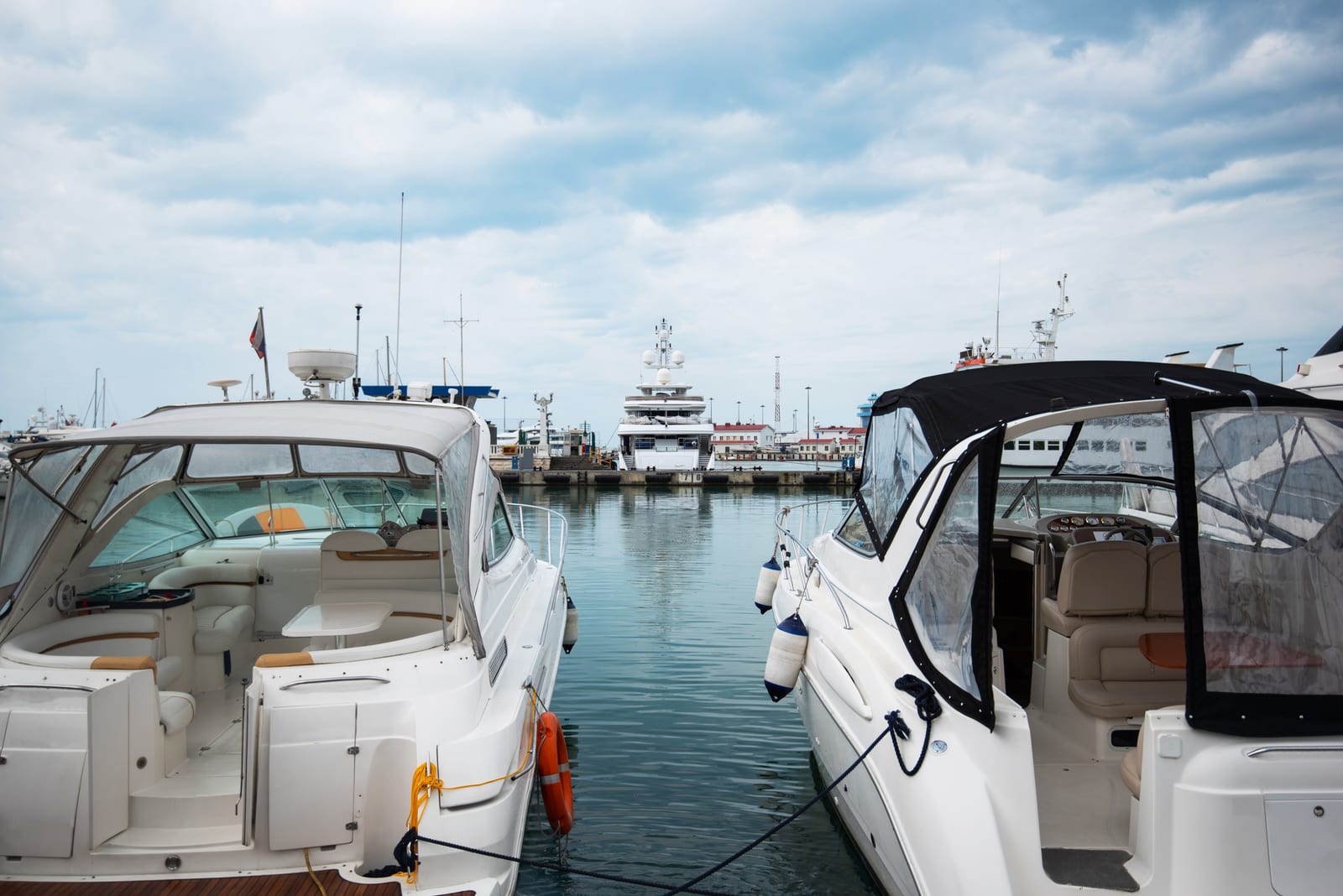
Environmental Compliance for Washington Marinas
Marinas and boatyards operate under environmental requirements that do not apply to upland commercial property, and the distinction between the two matters.
Where a facility performs vessel maintenance and repair, Washington's Boatyard General Permit is the governing instrument. It is a combined National Pollutant Discharge Elimination System (NPDES) and State Waste Discharge permit issued by the Department of Ecology, ensuring that wastewater and stormwater from boatyards is handled in accordance with the federal Clean Water Act and state water pollution control law. It applies to boatyards discharging stormwater from areas with industrial activity — to the ground, to a surface waterbody, or to a stormwater system. The current permit took effect on 1 September 2022 and expires on 31 August 2027. (Source: Washington State Department of Ecology, Boatyard General Permit, as of August 2026.)
The pollutant sources the permit is written around are the everyday activities of a working yard: pressure washing, surface preparation, paint removal, sanding, painting, engine maintenance, and material handling and storage. The corresponding controls — containment during hull work, washwater management, covered and contained storage, and housekeeping — are operational practices, which means compliance is a daily management responsibility rather than an annual filing.
A marina offering moorage only, without haul-out or repair operations, sits in a different position from one operating a boatyard. Facilities also commonly hold aquatic land leases or use authorizations, and may be subject to local shoreline requirements.
This page is general information, not legal or regulatory advice.
Why Marina Owners Choose Wilson Management
- 40+ years of Washington commercial property operations. Since 1982, through multiple market cycles in the Puget Sound region.
- Capital planning as a discipline. Marine structures fail predictably. Planning replacement against condition is the difference between a scheduled expense and an emergency closure of a dock.
- Even-handed tenant administration. Waitlists and rules applied consistently and documented, in a facility where tenants are long-tenured and compare notes.
- Commercial reporting standards. The same financial reporting discipline we apply to office, retail, and industrial assets.
- One manager across a mixed portfolio. Waterfront owners frequently hold commercial space alongside moorage. See Property Management Services.
- Professional affiliations. Wilson Management is affiliated with IREM, the Better Business Bureau, the Rental Housing Association of Washington (RHAWA), and the Washington Multi-Family Housing Association (WMFHA).
Request a free analysis or contact our team to discuss your facility.
Explore Each Part of the Service
- Slip Leasing and Waitlists — moorage agreements, pricing by size band, and a waitlist that can be explained.
- Dock, Pile and Float Maintenance — the inspection cycle, including the underwater work that finds what nobody can see.
- Liveaboard Policy — permitted numbers, the services a residence requires, and writing a policy that can be applied evenly.
- Environmental Compliance — the Boatyard General Permit, daily controls, spill readiness and the records that evidence them.
- Boatyard Operations — haul-out scheduling, yard throughput, and the owner-performed-work decision.
- Storm and Emergency Response — windstorm preparation, sinking vessels, fire on the water and power failure.
Guides and Further Reading
Frequently Asked Questions
Does Wilson Management manage marinas?
Yes. Marina and moorage facility management is one of the property types we handle in the Puget Sound region.
How is marina management different from managing commercial property?
Three ways. The improvements are marine structures exposed to saltwater, so capital planning runs on a condition curve rather than a long straight line. The environmental compliance surface is materially larger, particularly where a boatyard operates. And the tenancy is moorage — long-tenured, community-like, and sensitive to how waitlists and rules are administered.
What environmental permits does a marina need?
It depends on what the facility does. A yard performing vessel maintenance and repair falls under Washington's Boatyard General Permit, a combined NPDES and State Waste Discharge permit administered by the Department of Ecology, whose current term runs from 1 September 2022 to 31 August 2027. Moorage-only facilities sit differently, and most facilities also hold aquatic land authorizations and are subject to local shoreline rules. Each facility needs to be assessed on its own.
Do you handle dock and pile maintenance?
Yes — inspection and maintenance of decking, fasteners, cleats, fingers, floats, and piles on a schedule, with marine contractors and divers we source and supervise.
Can you administer a slip waitlist?
Yes, and we recommend documenting it. In a facility where tenants know each other, a waitlist that cannot be explained is a persistent source of dispute.
Do you manage liveaboard moorage?
Yes, within whatever the facility's permits and local requirements allow. Liveaboard policy needs to be written down and applied consistently.
Which areas do you cover?
The Puget Sound region. See Areas We Serve .
Get Started With Wilson Management
A marina rewards an operator who plans capital replacement against condition, administers moorage even-handedly, and treats environmental compliance as a daily practice. Wilson Management, Inc. brings more than 40 years of Washington commercial property operations to marina owners who want theirs run that way.
Request a free analysis or contact us today. You can also reach our Bellevue office at (425) 453-0089, 1380 112th Ave NE #203, Bellevue, WA 98004.
Sources
Cities We Serve
We provide marina management across King and Snohomish counties from our Bellevue office. If your property is nearby and not listed, it is still very likely somewhere we work — ask.
What our clients say
Great company to work with and to manage your property! Professional and personal!
— Drew RoseI had a great experience with Mr. Vince Pacecca and his team at Wilson Management.
— Don Zein
Read all client reviews