Reviewed by Gary E. Wilson, President & Designated Broker · Managing Greater Seattle rentals since 1982
Self-storage looks like the simplest commercial asset there is — units, doors, and a gate. In practice it is the most operationally intensive property type per square foot that most owners will hold. A hundred-unit facility can turn over more tenancies in a year than a hundred-unit apartment building, every one of those tenancies is governed by a statute with its own notice sequence, and revenue is set not once at lease signing but continuously, unit type by unit type.
Wilson Management, Inc. manages self-storage facilities across Bellevue, Seattle, and the Eastside. We bring to storage the same operational discipline this firm has applied to commercial and multi-family property since 1982: occupancy and rate managed together rather than separately, delinquency worked on a defined calendar, maintenance scheduled rather than deferred, and financial reporting an owner can actually act on.
Storage rewards operators who treat it as a revenue-management business that happens to own real estate. It punishes owners who treat it as parking with a roof.
Self-Storage Properties We Manage
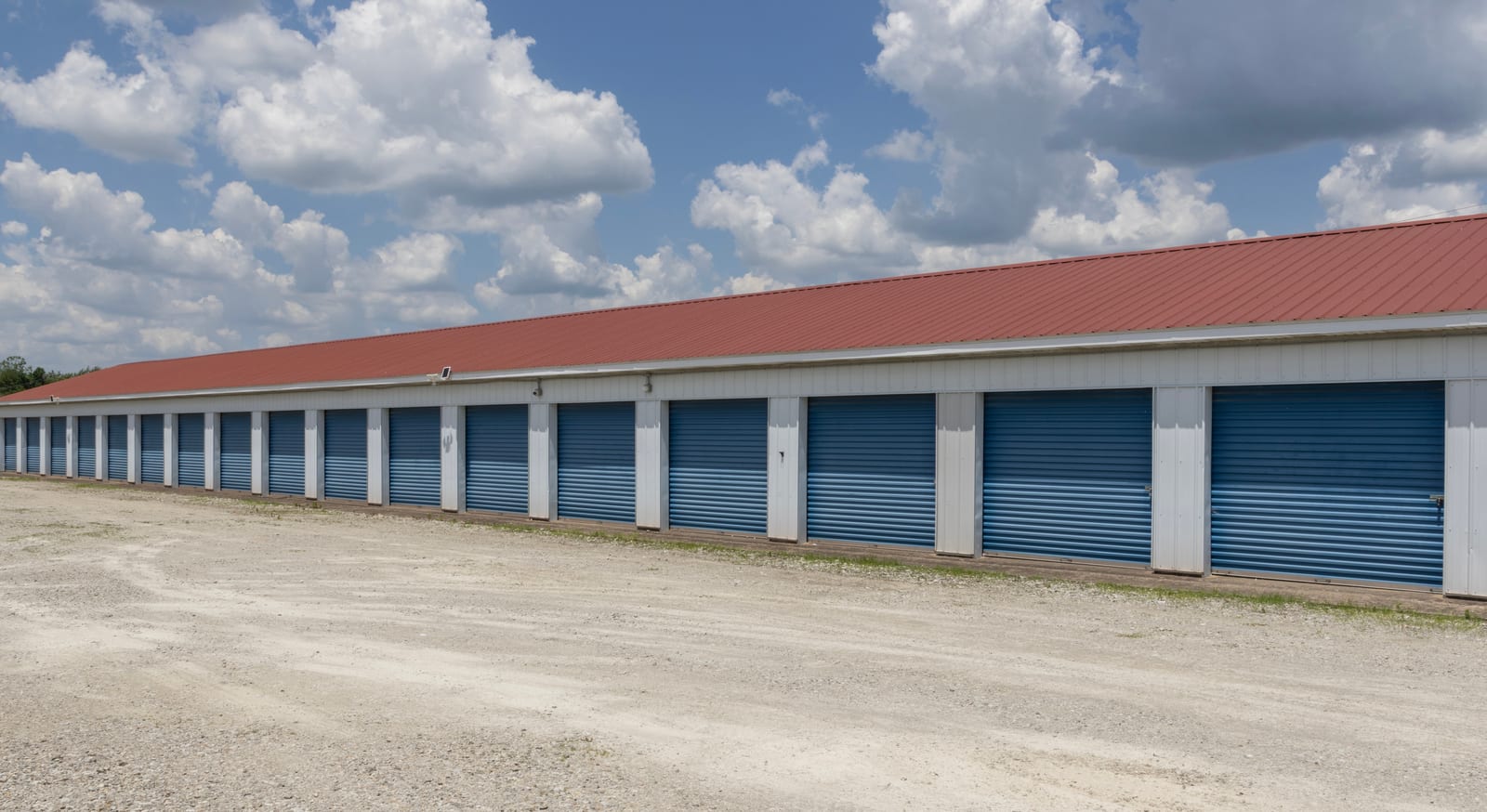
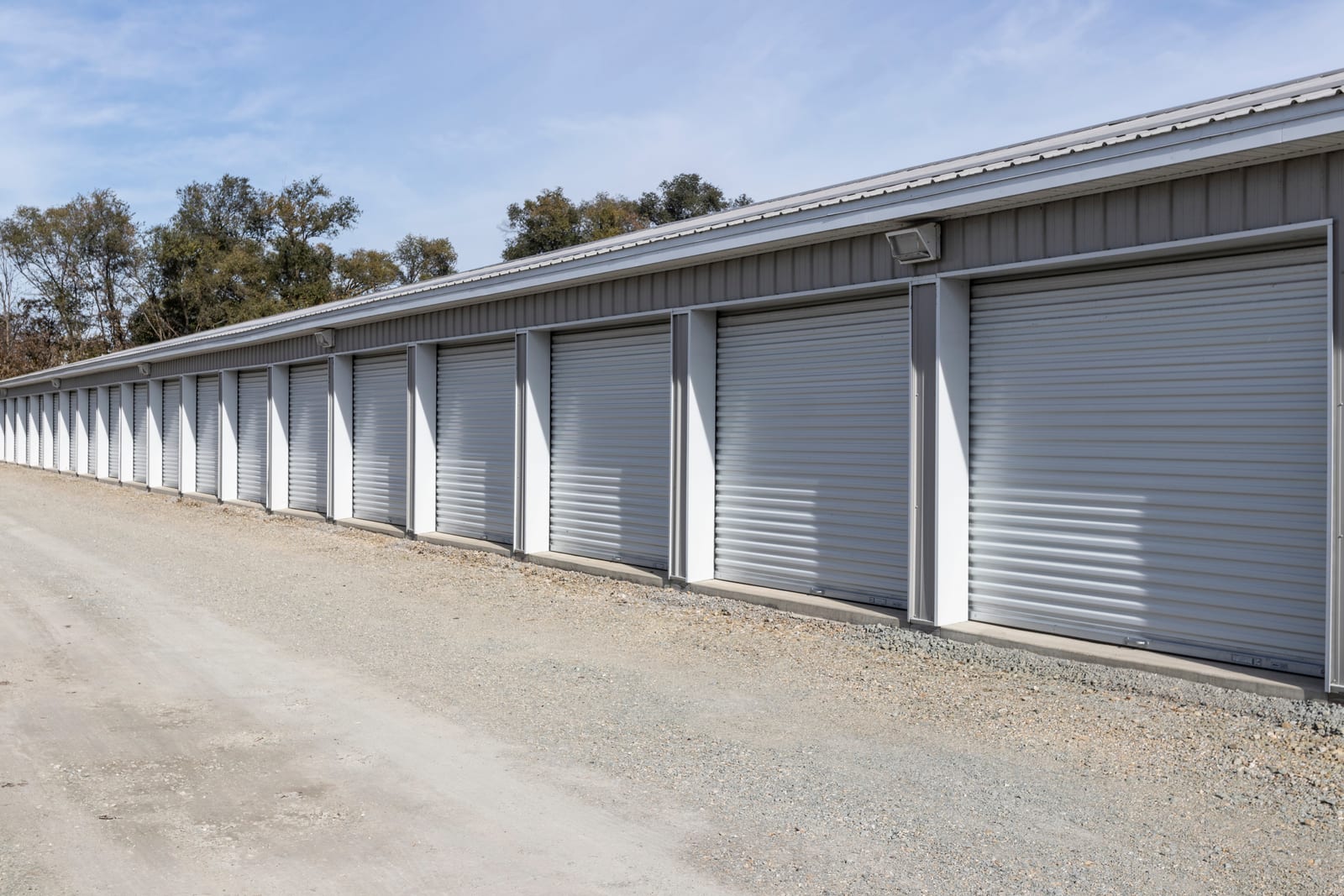
Multi-Building Drive-Up Facilities
The classic suburban format — rows of roll-up doors with vehicle access to each unit. Operationally these live and die on site security, drainage and paving condition, snow and debris clearance, and lighting. Drive-up units in the Puget Sound climate need particular attention at the door seal and the slab edge, because water that gets under a door becomes a claim.
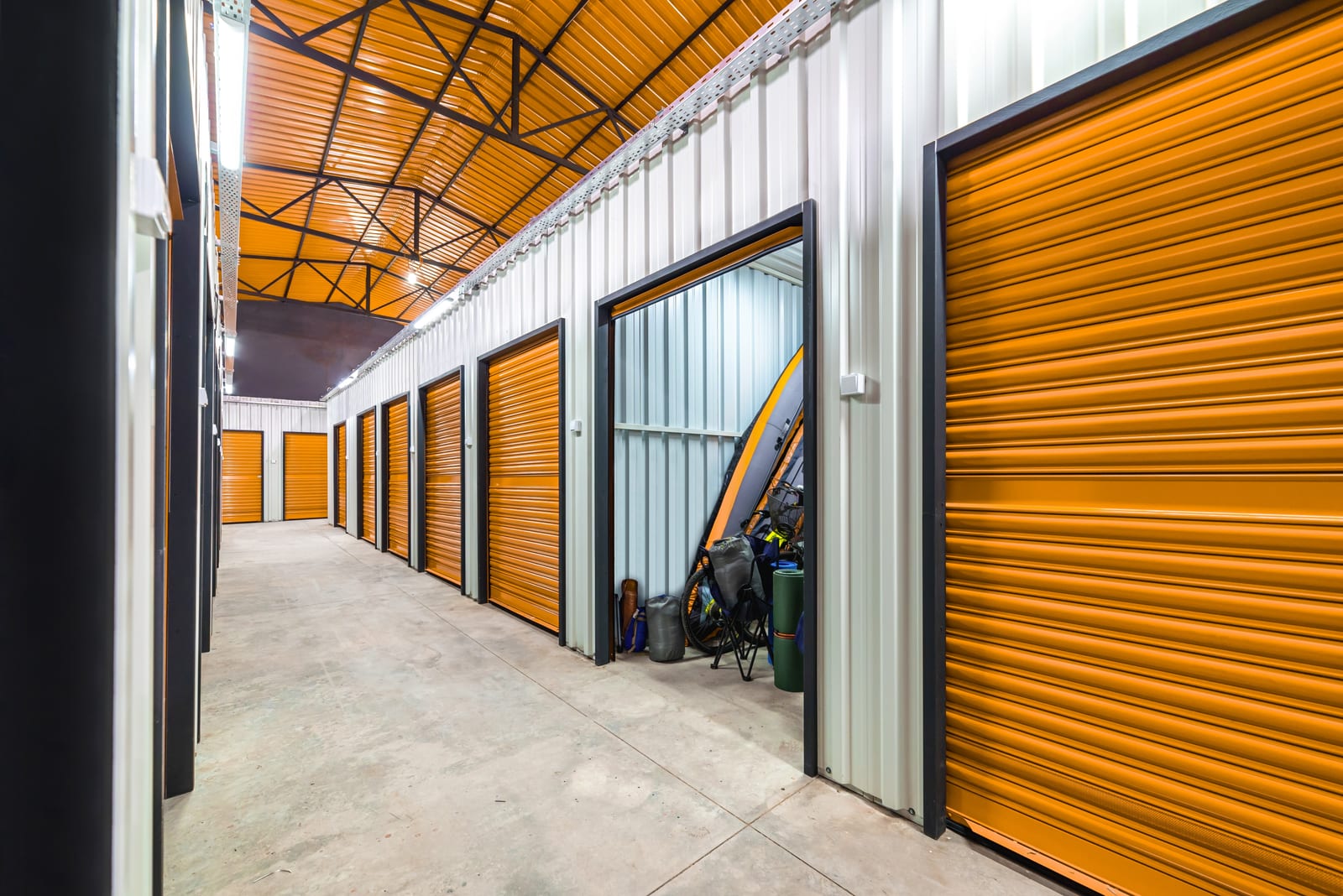
Climate-Controlled Interior Facilities
Interior units command higher rates and attract longer average tenancies, and they bring HVAC and dehumidification into the operating budget. Monitoring matters here: a climate-controlled building whose systems are not actually holding the range is a rate premium the operator is collecting and not delivering, and that surfaces eventually as complaints and move-outs.
Mixed-Format and Converted Facilities
Many Puget Sound facilities are conversions — former light industrial or retail buildings subdivided into storage. These carry the quirks of the original structure: uneven column spacing, legacy loading access, sprinkler coverage designed for a different use. They can perform very well, and they need an operator who understands what the building was before.
Facilities With Vehicle, RV, and Boat Storage
Outdoor and covered vehicle storage brings its own considerations — surface condition, access dimensions, lien handling for titled property, and insurance requirements that differ from a standard unit.
Storage Within a Mixed-Use Property
Storage attached to an office, retail, or multi-family asset needs to be operated in a way that does not degrade the primary use. We manage the full range of commercial property types — see Commercial Property Management, Office, Retail, and Industrial.
Our Self-Storage Management Services
- Revenue and rate management: Rates set by unit type and reviewed on a schedule, with existing-customer rate adjustments handled deliberately rather than left untouched for years. In storage, the difference between a well-managed and an unmanaged rent roll is usually not occupancy — it is street rate discipline and existing-tenant rate movement.
- Occupancy and lease-up: Marketing, inquiry response, and conversion tracking. Storage demand is intensely local and search-driven, and speed of response to an inquiry is a large part of conversion.
- Move-in, move-out, and unit turns: Documented condition at both ends, and a turn process that gets a vacated unit swept, secured, and back on the availability list the same week.
- Delinquency and lien administration: Worked on a defined calendar against Washington's statutory sequence, documented at every step. This is the single most consequential process in storage operations and the one most often handled loosely.
- Access control and security: Gate systems, unit-level monitoring, camera coverage, and lighting maintained as operating infrastructure rather than as a one-time capital purchase.
- Facility maintenance: Doors, latches, seals, paving, drainage, roofing, gutters, and lighting on a preventive schedule. Storage buildings are simple, which is exactly why deferred maintenance is so visible to a prospective customer standing in the drive aisle.
- Vendor management: Sourcing and supervising the trades, with scope and pricing reviewed rather than accepted.
- Financial reporting: Monthly owner reporting through the AppFolio owner portal, with the operating detail an owner needs to see what is actually driving net operating income.
- Insurance and tenant protection administration: Coordinating the tenant insurance or protection program requirements written into the rental agreement.
Washington's Self-Storage Lien Statute
Storage is unusual among property types in that the operator's principal remedy for non-payment is a statutory lien on the customer's goods, not an eviction. In Washington that process sits in Chapter 19.150 RCW, the Self-Service Storage Facilities chapter.
The statute gives a facility owner a lien on personal property stored at the facility for rent, labor, late fees, and the costs of sale, and it sets out the sequence that has to be followed before that lien can be enforced. Where rent or other charges remain unpaid for fourteen consecutive days, the operator may begin the process by sending a preliminary lien notice to the occupant's last known address, terminating the right to use the space on a date not less than fourteen days after that notice is mailed. If the sum due is not paid by the specified date, the lien attaches, and the operator may then deny access, enter the space, inventory the goods, and move them to safekeeping. Further notice and sale requirements follow before any disposition. (Source: Chapter 19.150 RCW, Self-Service Storage Facilities, as of August 2026.)
Two practical points follow from this. First, the process is calendar-driven and documentary — a missed notice date does not merely delay the remedy, it can invalidate the sequence and require starting again. Second, the operator is handling other people's property under a statutory duty, which is a materially different risk posture from holding a security deposit.
This page is general information, not legal advice.
Why Storage Owners Choose Wilson Management
- 40+ years of Puget Sound property operations. Wilson Management has operated commercial property in this market since 1982, through several cycles.
- Commercial reporting standards. Storage owners get the same financial reporting discipline we apply to office, retail, and industrial assets.
- Process over improvisation. Delinquency, lien administration, unit turns, and preventive maintenance run on defined calendars, which is what makes results repeatable.
- One manager across a mixed portfolio. Owners holding storage alongside other commercial or residential assets can consolidate management. See Property Management Services.
- Professional affiliations. Wilson Management is affiliated with IREM, the Better Business Bureau, the Rental Housing Association of Washington (RHAWA), and the Washington Multi-Family Housing Association (WMFHA).
Want a view of how your facility is performing against what it could be? Request a free analysis or contact our team.
Explore Each Part of the Service
- Revenue Management — street rate against in-place rate, existing-customer increases, and pricing each unit size as its own market.
- Digital Leasing and Access — renting without a conversation, inquiry response speed, and access control as operating infrastructure.
- Delinquency and the Lien Process — the RCW 19.150 sequence worked on a calendar, with the documentation it depends on.
- Security Systems — the layers that deter loss, and the difference between coverage that works and coverage that exists.
- Climate-Controlled Operations — humidity rather than temperature, and the monitoring that turns a claim into a guarantee.
- Facility Maintenance — door seals, drainage, paving and the wet-season work that keeps water out of units.
Guides and Further Reading
Frequently Asked Questions
Does Wilson Management manage self-storage facilities?
Yes. Self-storage is one of the property types we manage across Bellevue, Seattle, and the wider Eastside and Greater Seattle area.
How is storage management different from managing an apartment building?
Two ways that matter. Tenancies are short and turn over constantly, so the operation is built around throughput rather than annual renewals. And non-payment is resolved through the statutory lien process in Chapter 19.150 RCW rather than through eviction, which is a different body of law and a different set of deadlines.
How are rates set and reviewed?
By unit type, against local competing supply, and on a review schedule rather than ad hoc. Existing-customer rate adjustments are handled as a deliberate, documented practice.
What happens when a customer stops paying?
The statutory sequence begins: a preliminary lien notice to the last known address, termination of access rights on the date specified, and then the further notice and sale steps the chapter requires. Every step is documented.
Do you handle facility maintenance and security systems?
Yes — doors, seals, paving, drainage, lighting, gate and access control, and camera systems, on a preventive schedule with vendors we source and supervise.
Which areas do you cover?
Bellevue, Seattle, the Eastside, and communities across King and Snohomish counties. See Areas We Serve .
Can you manage a facility I am about to acquire?
Yes. Contact us before closing where possible — the operating picture at takeover, particularly the delinquency position and the state of the rate roll, is easier to establish from the start.
Get Started With Wilson Management
Self-storage rewards operators who run it as an operating business: rates managed continuously, delinquency worked on schedule, the facility maintained to a standard a customer notices. Wilson Management, Inc. brings more than 40 years of Puget Sound property operations to storage owners who want their facility run that way.
Request a free analysis or contact us today. You can also reach our Bellevue office at (425) 453-0089, 1380 112th Ave NE #203, Bellevue, WA 98004.
Sources
Cities We Serve
We provide self-storage facility management across King and Snohomish counties from our Bellevue office. We cover the Greater Eastside, King County, South Snohomish County in full. If your property is nearby and not listed, it is still very likely somewhere we work — ask.
What our clients say
Incredible experience with Wilson Management Inc. Maria was my contact point and exudes professionalism and knowledge. I can confidently recommend Maria and Wilson Management to anyone in need of property management services.
— Raymond IannielliLisa and Barbara are amazing! Always quick to answer my questions. It is such a relief knowing that these two are maintaining the books and helping us to be organized.
— Maggie Terborg
Read all client reviews